
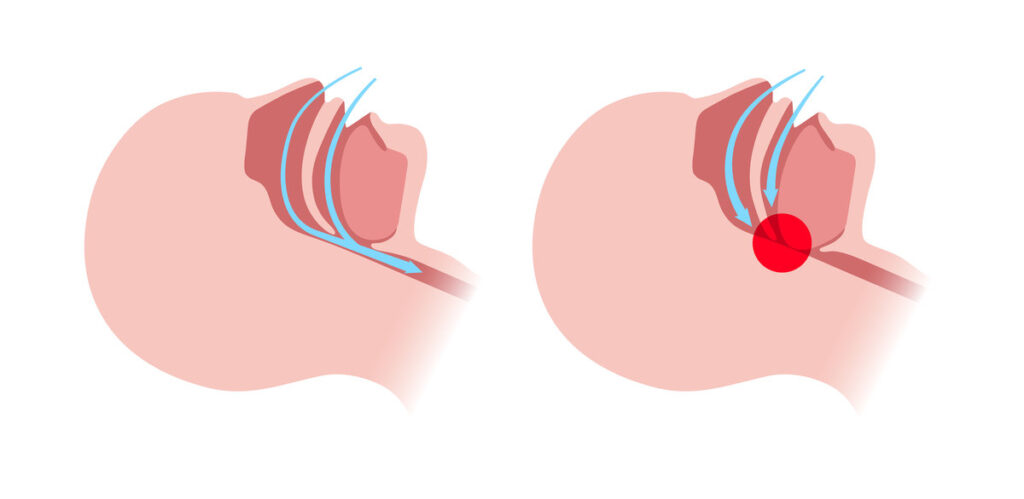
Winter brings more than cold temperatures and shorter days. For children with underlying airway concerns, it brings a season of congestion, respiratory illness, and disrupted sleep that can make existing breathing challenges significantly worse. When the nasal passages are already compromised by a narrow jaw or poor oral structure, seasonal congestion compounds the problem in ways that can affect a child’s energy, behavior, and development for months at a time.
At Eisenberger and Meister Orthodontics, airway orthodontics for children is one of the practice’s most important areas of focus, and winter is precisely when that expertise matters most. Dr. Matthew Meister, a graduate of NYU College of Dentistry’s advanced program in Orthodontics and Dentofacial Orthopedics, has dedicated his practice to understanding how jaw structure affects not just teeth, but also how children breathe, sleep, and thrive. For families in the Passaic area, understanding the winter-airway connection is a meaningful first step.
How Winter Conditions Affect a Child’s Airway
Cold, dry air is harder on the respiratory system than warm, humid air. When children breathe in cold winter air, the nasal passages and throat can become irritated and inflamed, reducing airflow through already narrow passages. For children who already rely on mouth breathing due to structural airway issues, this seasonal shift creates a cycle that is difficult to break without addressing the underlying cause.
Respiratory illnesses are also significantly more common during winter months. When nasal congestion sets in, even children who are adequate nasal breathers at baseline often shift to mouth breathing out of necessity. For children with structural airway concerns, this transition is more pronounced and longer-lasting. The result is fragmented sleep, reduced oxygen quality overnight, and all of the downstream effects that come with chronic sleep disruption, including difficulty concentrating, irritability, and slower growth.
The Connection Between Jaw Structure and Seasonal Breathing
The shape of a child’s jaw and palate plays a direct role in how well they can breathe through the nose. A high, narrow palate reduces the floor of the nasal cavity, limiting nasal airflow even when no illness is present. When winter illness or dry air narrows those passages further, children with this anatomy are at a much greater disadvantage than those with well-developed jaw structures.
According to the National Institutes of Health, pediatric obstructive sleep apnea is a sleep-related breathing disorder characterized by recurrent episodes of partial or complete upper airway obstruction during sleep, resulting in intermittent hypoxemia and sleep fragmentation that adversely affects behavior, neurocognitive development, and overall health in children. What many families do not realize is that craniofacial structure, including the width and development of the upper jaw, is a recognized contributing factor to this condition. Addressing those structural issues through orthodontic intervention can reduce a child’s vulnerability, not just during winter but year-round.
Palatal expansion, one of the most common airway-focused orthodontic tools, works by gradually widening the upper jaw. As the palate expands, the floor of the nasal cavity expands with it, creating more physical space for airflow. In children whose jaw bones are still actively developing, this type of treatment is most effective and produces the most lasting results, which is why early evaluation and intervention are so important.
Signs Winter May Be Revealing an Airway Problem
For many families, winter is actually when they first notice something is off. A child who seemed to sleep reasonably well during warmer months may suddenly begin snoring consistently, waking frequently, or appearing exhausted despite a full night in bed. These changes are not always caused by the cold itself. In many cases, winter conditions are simply making a pre-existing airway issue visible for the first time.
The following signs during the winter months may indicate an underlying structural airway concern worth evaluating:
- Mouth breathing that persists well after congestion clears
- Consistent snoring or gasping sounds during sleep
- Increased behavioral changes, fatigue, or difficulty focusing at school
- A narrow, high-arched palate or noticeably recessed chin
- Recurring upper respiratory infections that seem to linger longer than expected
These signs do not automatically confirm a diagnosis, but they are meaningful patterns that a qualified orthodontist can help interpret. An evaluation at the right time can open the door to treatment options that make a lasting difference.
Eisenberger and Meister Orthodontics: Airway Care for Every Season
Dr. Meister’s advanced training in Orthodontics and Dentofacial Orthopedics at NYU College of Dentistry, where his research was recognized both nationally and internationally, informs the comprehensive, patient-centered approach the team brings to every evaluation. With a combined 35 years of orthodontic experience, the team at Eisenberger and Meister understands how to assess the full picture of a child’s oral development, including how their airway functions across seasons and stages of growth. The practice also offers the latest in orthodontic technology, including LightForce 3D-printed braces, to support personalized treatment plans for every patient.
Located at Brook Haven Mall in Passaic, NJ, Eisenberger and Meister Orthodontics welcomes families who want proactive answers about their child’s health. If winter has brought new or worsening breathing concerns to your attention, this season is the right time to act. Contact our office to schedule an airway evaluation and take the first step toward better breathing and better sleep for your child.