
Millions of people across the United States are living with misaligned teeth, overcrowding, or bite issues that go far beyond cosmetic concerns. Crooked teeth and jaw misalignment can affect how you chew, how clearly you speak, and how easy it is to keep your mouth clean, which means the case for orthodontic treatment is about much more than appearance. Understanding the data behind orthodontics can help you make a more informed decision about your own smile, or your child's.
At Eisenberger and Meister Orthodontics, our team brings a combined 35 years of experience helping patients throughout Passaic and the surrounding communities achieve healthier, straighter smiles. Whether you're exploring orthodontic treatment options for yourself or a member of your family, knowing what the research says is a powerful first step.

How Common Is Orthodontic Treatment?

Orthodontics is far more widespread than many people realize. According to the American Association of Orthodontists, approximately half of all people have malocclusions significant enough to benefit from orthodontic care, with a peer-reviewed systematic review published in the National Institutes of Health database confirming that orthodontic use spans all age groups and demographics across the country. Put simply, misaligned teeth are one of the most common dental concerns in the United States.

Who Is Seeking Orthodontic Treatment?

Treatment is no longer limited to children and teenagers. Adults now make up a growing share of orthodontic patients, driven by increased awareness of how alignment affects long-term oral health. Research consistently shows that more adults are seeking treatment for straighter teeth than in previous decades, motivated by both health and aesthetic goals. For younger patients, early evaluation has become increasingly standard practice, with orthodontists recommending a first visit as early as age seven in many cases.
The Importance of Early Orthodontic Intervention
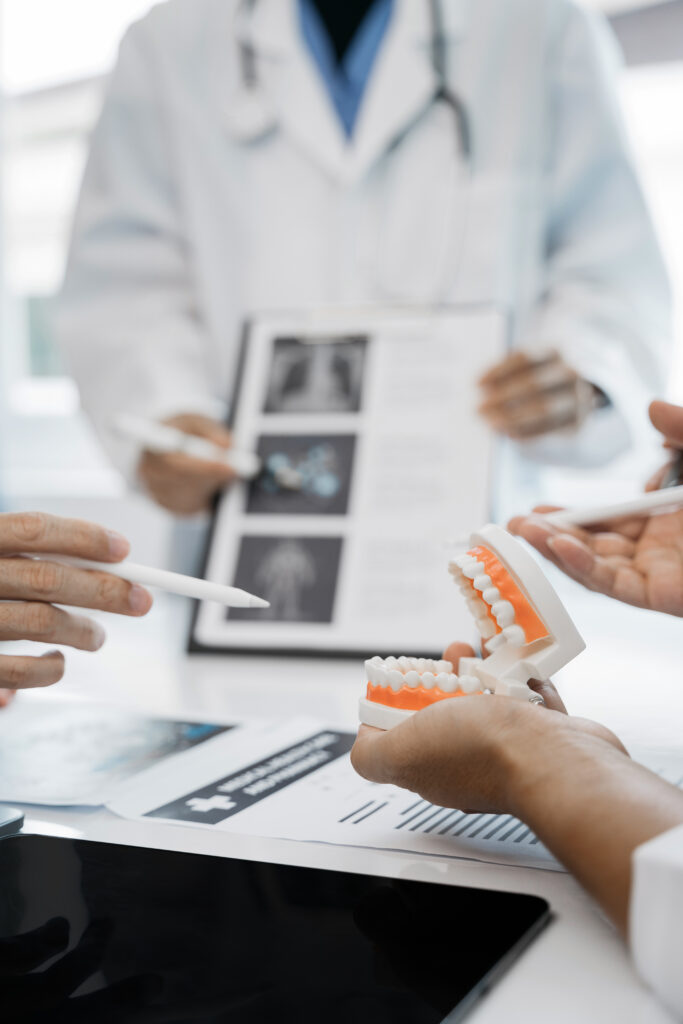
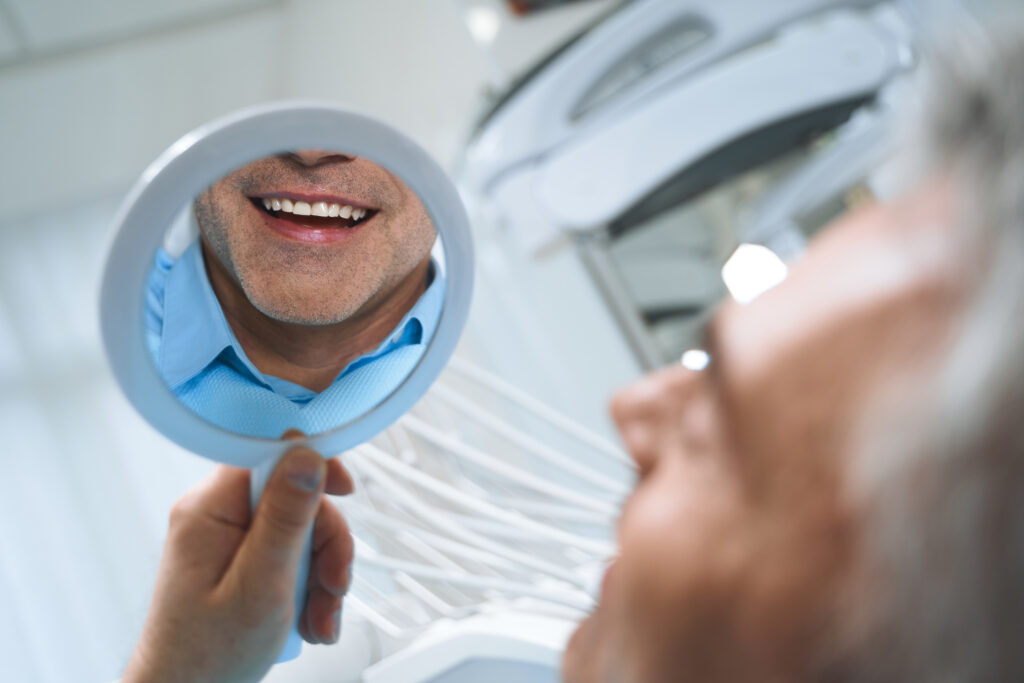
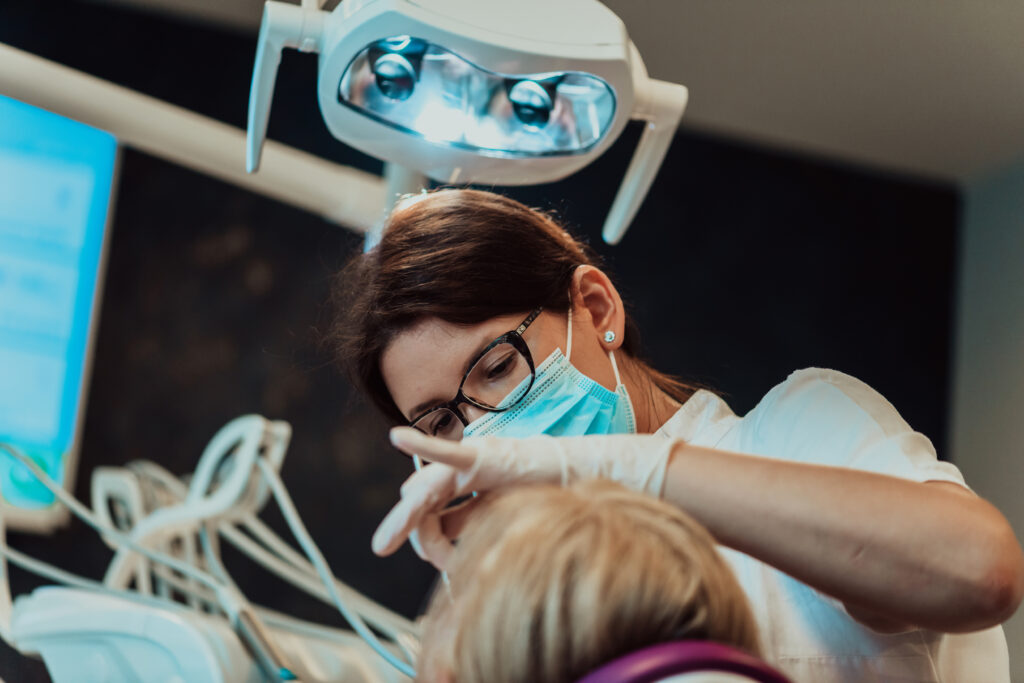
Catching alignment issues early gives orthodontists a much greater opportunity to guide jaw development and address crowding before it becomes more complex to treat. The bones and tissues in a child's mouth are still forming, which means early treatment can reduce the need for more involved procedures later on. For many families, starting the conversation about orthodontics well before the teenage years leads to smoother, shorter, and more effective treatment overall.

What Early Treatment Can Address

Orthodontists are trained to identify a range of developmental concerns that respond well to early intervention. The following conditions are commonly evaluated and treated in younger patients:

  • Crossbites and open bites
  • Crowding and spacing issues
  • Protruding front teeth
  • Underbites and overbites
  • Early tooth loss leading to shifting

Catching these issues sooner rather than later can make a meaningful difference in both the complexity and length of treatment. Early orthodontic care is one of the most effective investments a family can make in a child's long-term dental health.

Braces Remain the Most Used Orthodontic Treatment

Traditional braces continue to be the most commonly recommended form of orthodontic treatment, particularly for patients with moderate to complex alignment concerns. Their ability to address a wide range of issues, from crowding and spacing to significant bite corrections, makes braces a reliable and well-researched solution. Advances in bracket technology and materials have also made today's braces more comfortable and precise than ever before.

The Rise of Clear Aligner Therapy

Clear aligners have reshaped the orthodontics landscape over the past decade, with demand rising sharply among both teens and adults. Patients often prefer them for their low visibility, comfort, and the flexibility they offer in daily life. Research reflects this shift, with studies showing that a significant portion of patients who begin orthodontic treatment now opt for Invisalign or similar aligner systems. For patients with mild to moderate alignment concerns, clear aligners can deliver results comparable to traditional braces.

Orthodontic Treatment and Long-Term Oral Health

The benefits of orthodontic treatment extend well beyond a straighter smile. Properly aligned teeth are easier to brush and floss, reducing the buildup of plaque in hard-to-reach areas. Research has linked untreated malocclusion to higher rates of gum disease and tooth decay over time, because misalignment creates pockets and overlapping surfaces where bacteria thrive. In short, the data supports what orthodontists have long known: treating alignment issues is an investment in your overall oral health, not just your appearance.

Choose Eisenberger and Meister Orthodontics

At Eisenberger and Meister Orthodontics, our three experienced orthodontists, Dr. Matthew Meister, Dr. Yakov Eisenberger, and Dr. Chaim Adler, are committed to creating personalized treatment plans that reflect each patient's unique needs and goals. Dr. Meister graduated with Dean's List honors from NYU College of Arts and Science and earned advanced orthodontic training at NYU College of Dentistry, where his research was recognized both nationally and internationally. Our practice is proud to offer traditional braces, Invisalign, and LightForce 3D-printed braces, alongside innovative tools like Dental Monitoring technology, all within our welcoming Brook Haven Mall location in Passaic, NJ.
If you're ready to take the next step for yourself or your child, we'd love to help. Contact our office to schedule your consultation and find out which treatment is the right fit for your smile.