
Braces for grown ups can straighten crowded adult teeth, close gaps, and improve a troublesome bite if your teeth and gums can support treatment. Choosing between fixed brackets and clear aligners depends on your bite, daily routine, and budget.
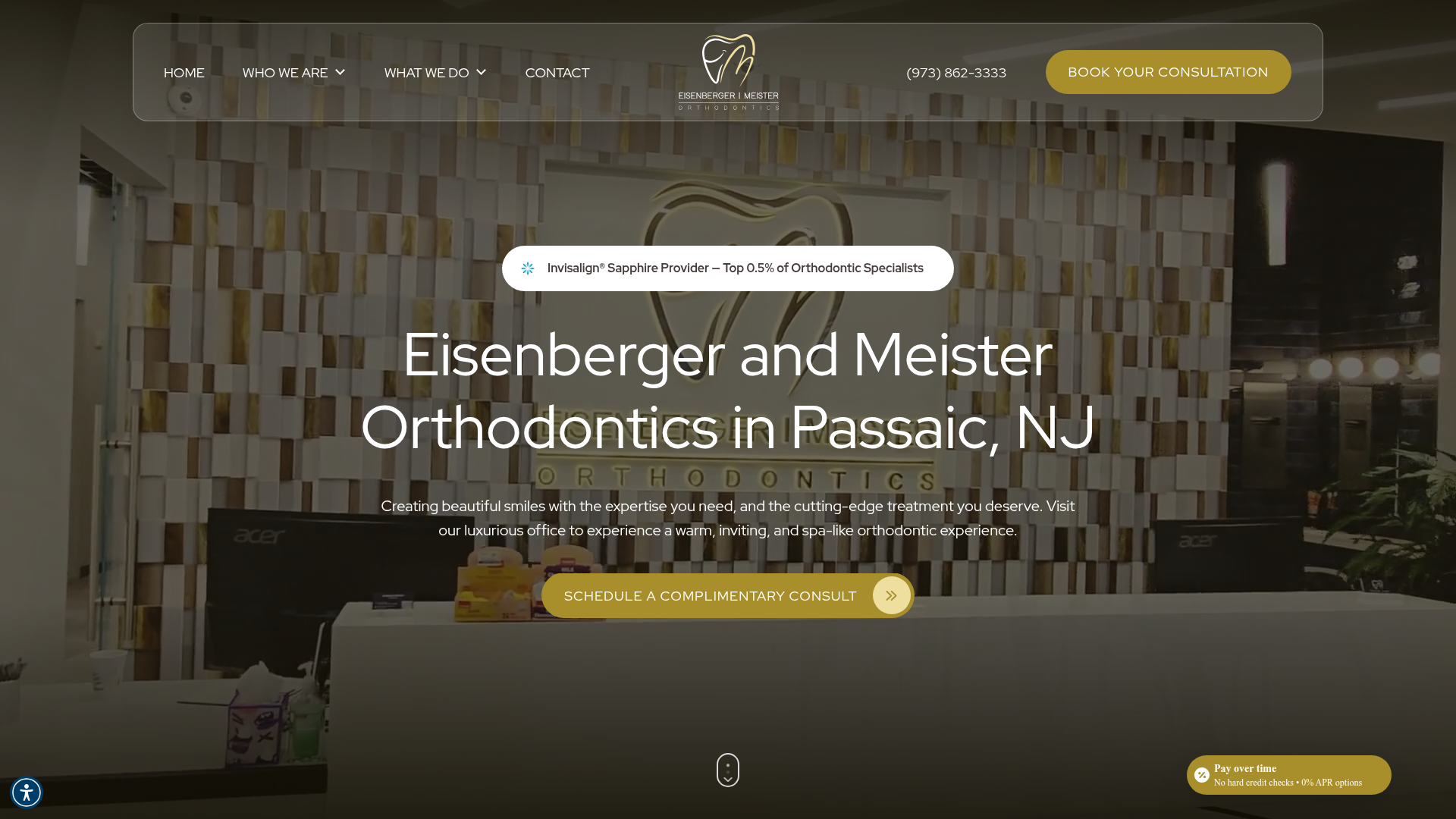
Why adults choose braces
Teeth can shift after your teens, trapping food or changing how you chew. Adults seek orthodontic treatment for crooked teeth, gaps, and alignment issues such as an overbite or crossbite, as well as to improve their smile and self confidence. The American Dental Association explains that orthodontic treatment aims to create a healthy bite and that people of any age can benefit.
“One in three orthodontic patients is an adult.” – American Association of Orthodontists
Age alone does not rule out adult orthodontic treatment. Crowns, missing teeth, gum disease, or reduced bone support can change the best treatment plan. Your orthodontist may coordinate with your dentist or periodontist; braces move teeth but cannot treat gum disease or every problem involving an adult’s jaw.
Gum health before and during treatment
If your gums bleed or you have lost bone support, your dentist may need to stabilize the condition before treatment. Braces do not treat tooth decay. Once they go on, clean around brackets and keep regular dental checkups to protect your oral health.
Braces for grown ups: treatment options
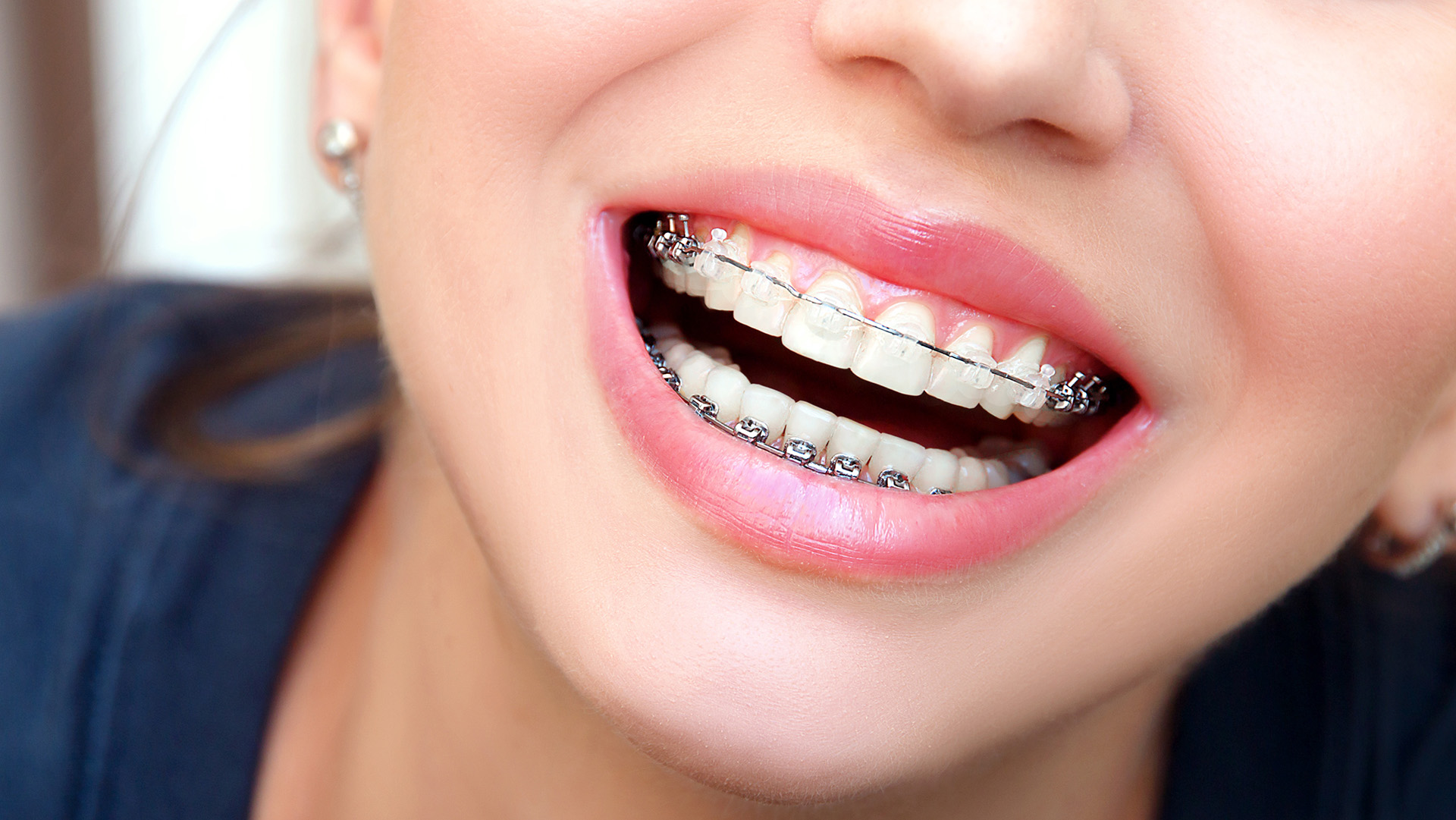
The best type of braces for adults depends on your bite, visibility preferences, upkeep, and cost. The American Association of Orthodontists explains that fixed brackets and wires move teeth. Compare traditional braces, braces with clear ceramic brackets, and clear aligners such as Invisalign, which are removable trays rather than braces.
|
Option |
What you wear |
Practical advantage |
Trade-off to discuss |
|---|---|---|---|
|
Metal braces |
Visible metal brackets and wires fixed to teeth |
No need to remember to put trays back in; a familiar choice for varied tooth movements |
Most noticeable; careful cleaning and food adjustments required |
|
Clear ceramic braces |
Tooth-colored brackets with wires fixed to teeth |
Less conspicuous than metal from a distance |
Brackets still show and require careful care |
|
Custom ceramic braces, including LightForce |
Custom-made ceramic brackets with wires |
Individualized bracket design can help tailor the setup |
Still a fixed appliance; suitability and any time savings depend on the case |
|
Lingual braces |
Brackets and wires behind the teeth |
Less visible from the front |
Can feel different against the tongue and may be harder to clean; availability varies |
|
Clear aligners, including Invisalign |
Removable, close-fitting trays |
Remove them for meals and brushing |
Success depends on wearing them as prescribed; some cases need a different approach |
Metal, ceramic, or a custom setup?
Metal braces suit adults who prefer a fixed appliance. Clear braces with ceramic brackets are subtler on camera. Eisenberger and Meister Orthodontics offers LightForce custom ceramic brackets; ask what customization means for your visits, since it does not guarantee faster results.
If you prefer not to wear braces with visible brackets, ask whether lingual braces or clear aligners can achieve your bite goals. Lingual availability varies, and aligners require consistent wear.
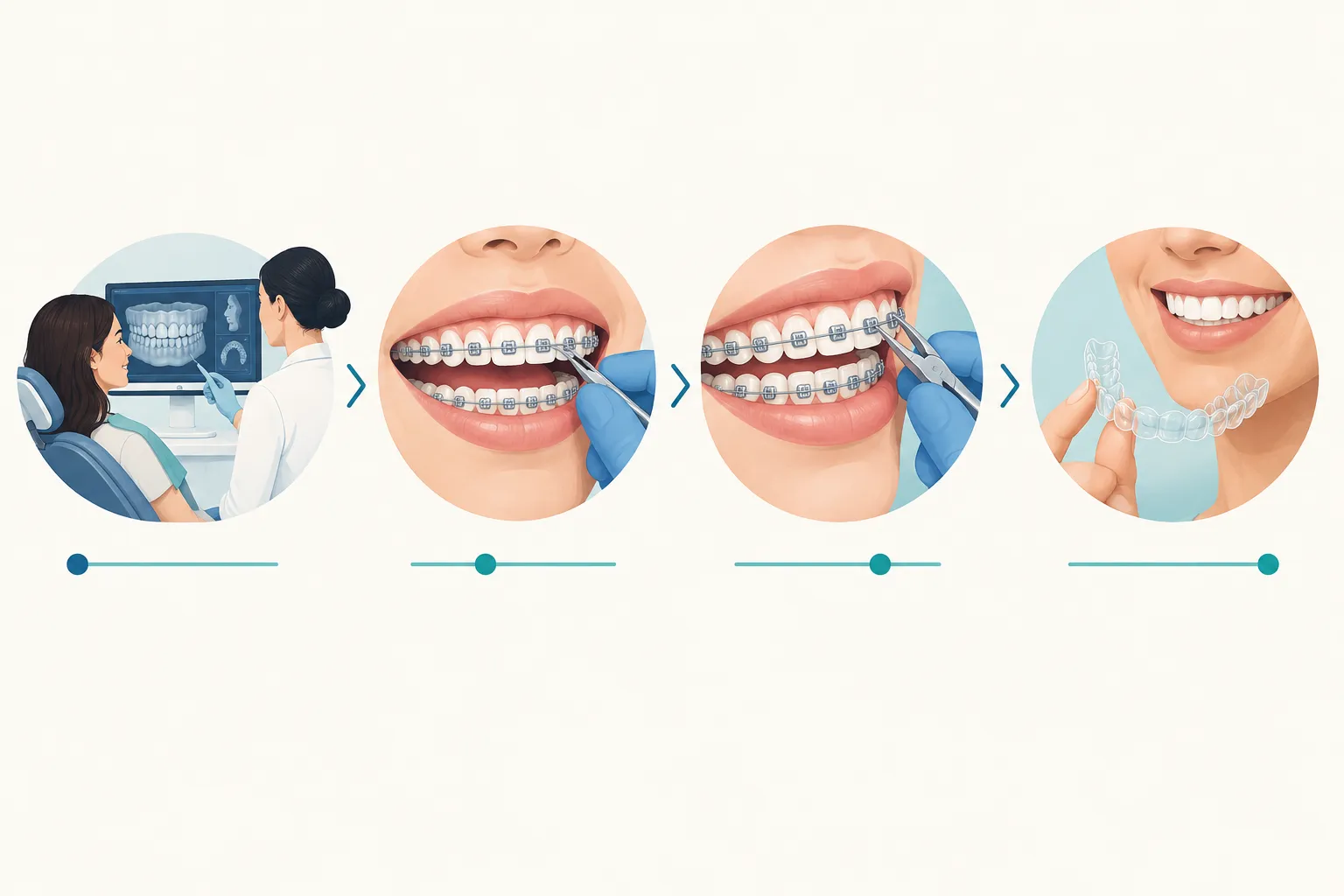
What happens from consultation to retainer
-
Consultation: Your orthodontist examines your bite and gums. Mention crowns, implants, missing teeth, and upcoming dental work.
-
Placement: Brackets and a wire go on; you learn how to clean them and handle irritation or a loose bracket.
-
Visits: Your orthodontist monitors movement and adjusts components. Wear any prescribed elastics as instructed.
-
Retention: Brackets come off when treatment goals are met. Ask how often to wear your retainer and whether replacements are included.
Treatment time varies by bite, gum health, and how consistently you follow instructions. Ask for a case-specific timeline rather than assuming treatment will take three years.
Living with braces as an adult
Teeth may feel tender after placement or adjustments; softer foods and orthodontic wax can help. Call the office for persistent pain, a broken bracket, or a wire digging into your cheek.
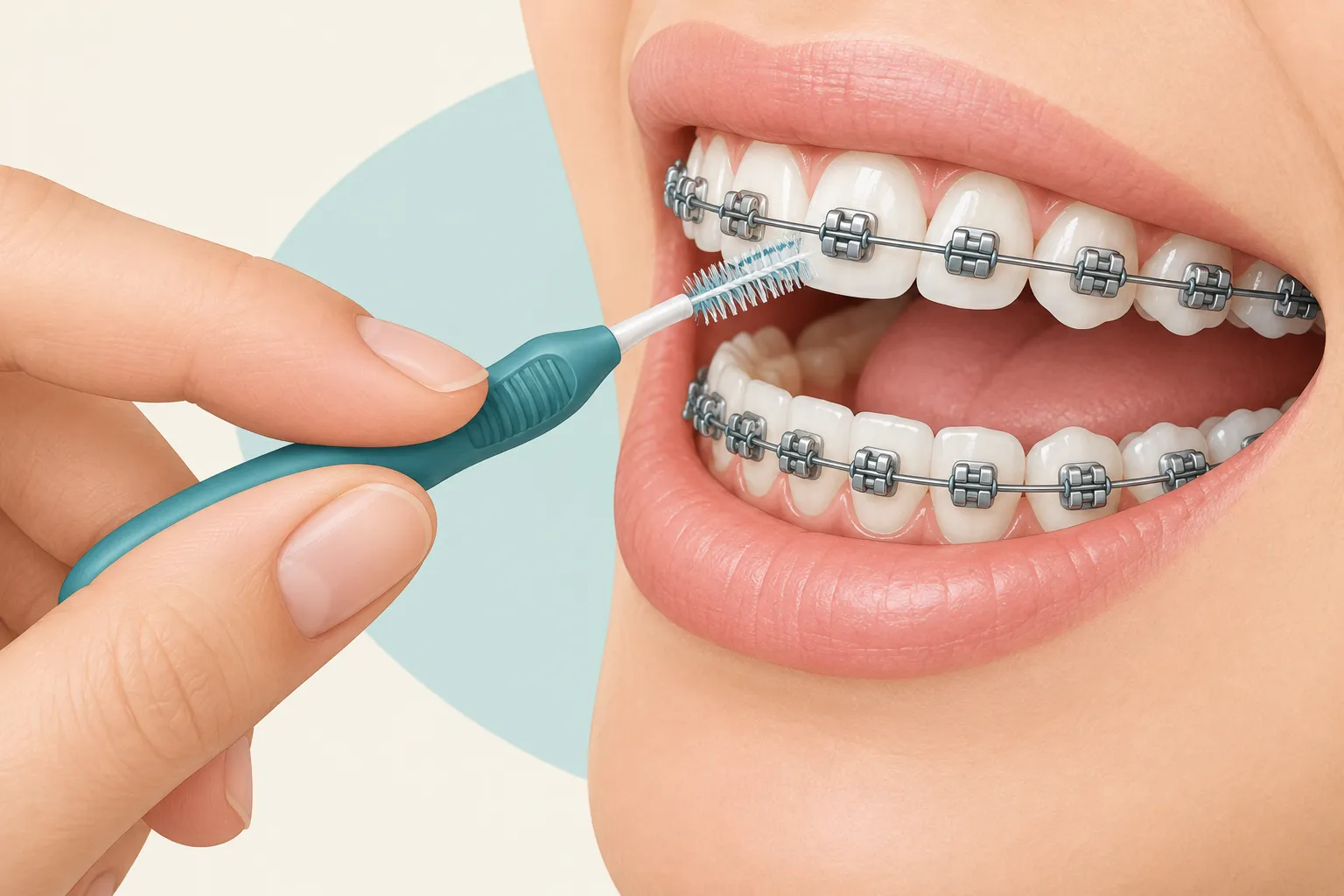
Meals and cleaning need a little planning:
-
Cut firm foods into pieces; avoid sticky and very crunchy foods that can loosen brackets.
-
Brush around brackets and the gumline; clean under wires with floss aids or an interdental brush.
-
Pack a small brush for meals away from home, and ask about a braces-compatible mouth guard for contact sports.
If work makes visits difficult, ask whether remote monitoring fits your plan.
Cost, insurance, and payment decisions
Braces cost depends on your bite, appliance, and included services. Get the full fee in writing, not just the deposit.
For a starting budget, the practice’s New Jersey braces pricing guide lists typical ranges of $3,500–$7,000 for metal braces, $4,500–$8,500 for ceramic braces, and $5,000–$9,500 for LightForce. Your treatment fee and what it includes will come from your consultation.
|
Ask about |
Why it changes the decision |
|---|---|
|
Full treatment fee and deposit |
Shows what you pay up front and over the full course of care |
|
Records, visits, repairs, and retainers |
Clarifies which services are included and which may add charges |
|
Adult orthodontic benefit |
Some plans exclude adult care or set a lifetime orthodontic maximum |
|
Waiting periods and in-network rules |
Can affect whether and when a benefit applies |
|
Payment plan terms |
Lets you compare the total owed, not just a monthly figure |
|
HSA or FSA funds |
May help pay eligible orthodontic expenses under your plan’s rules |
Some plans cover adult braces; others cover only children. Check your plan’s adult benefit, limits, and waiting period; the office can help estimate your share.
The practice offers complimentary consultations and financing with 0% APR options and no hard credit check. Ask for your total cost, including retention.
Make a choice that fits your life
Fixed braces stay in place; Invisalign comes out for meals. Ask which can meet your bite goals rather than choosing only by appearance.
Eisenberger and Meister Orthodontics welcomes adults from Passaic and communities across northern New Jersey, including Clifton, Garfield, Wallington, Wood-Ridge, Hasbrouck Heights, Lodi, Hackensack, Elmwood Park, Saddle Brook, Rutherford, East Rutherford, Lyndhurst, North Arlington, Kearny, Belleville, Nutley, Bloomfield, Paterson, Totowa, Little Falls, Wayne, Montclair, Verona, Cedar Grove, Secaucus, North Bergen, Weehawken, Hoboken, and Jersey City. At a complimentary consultation, ask about metal or ceramic braces, LightForce, Invisalign, and Dental Monitoring. The team will tailor a plan with expected visits and complete costs.
FAQ
Can you get braces as a grown up?
Yes. There is no age limit by itself. Your orthodontist will assess your bite, gums, bone support, and existing dental work before recommending an appliance.
Is it worth having braces as an adult?
It can be if crowding, gaps, or your bite bother you and the expected result is worth the time, cost, and daily care. Ask what changes treatment can achieve in your specific case and how you will maintain them with retainers.
What type of braces are best for adults?
There is no single best type. Metal braces are a fixed, visible option; ceramic brackets look subtler, while lingual braces sit behind teeth if available. Compare the movements each can achieve, upkeep, visibility, and total fee with your orthodontist.
Will insurance pay for braces as an adult?
Some dental plans include adult orthodontic coverage, but many do not. Review the adult benefit, lifetime maximum, age restrictions, waiting period, and network rules before estimating your out-of-pocket cost.
What disqualifies you from getting braces?
Age alone does not disqualify you. Active gum disease or untreated decay may mean postponing brackets while those conditions are treated; reduced bone support or complex dental work can change the plan. An orthodontic exam determines what is safe and realistic.