
To get straight teeth safely, start with an orthodontic exam. From there, you can choose supervised treatment that fits your teeth, bite, and daily routine. Braces and clear aligners both move teeth, but a small gap and a crowded bite may call for different plans.
If you live in or near Passaic, New Jersey, you can book a consultation without deciding between braces and Invisalign first. Your orthodontist needs to assess the health of your teeth and gums, then determine what needs to move.
Start with an orthodontic evaluation
The front teeth tell only part of the story. An orthodontist assesses spacing or crowding, checks how your teeth meet, and looks at the health of your teeth and gums. An alignment issue that seems minor in the mirror may involve your bite. Photos, scans, or X-rays can help with planning, and decay or gum disease may need attention first.
Mention any previous braces and explain what you want to change. If remembering removable trays would be difficult, say so. Ask what the orthodontist sees in your bite, what each option would address, and what you would need to do after active treatment.
Ways to get straight teeth
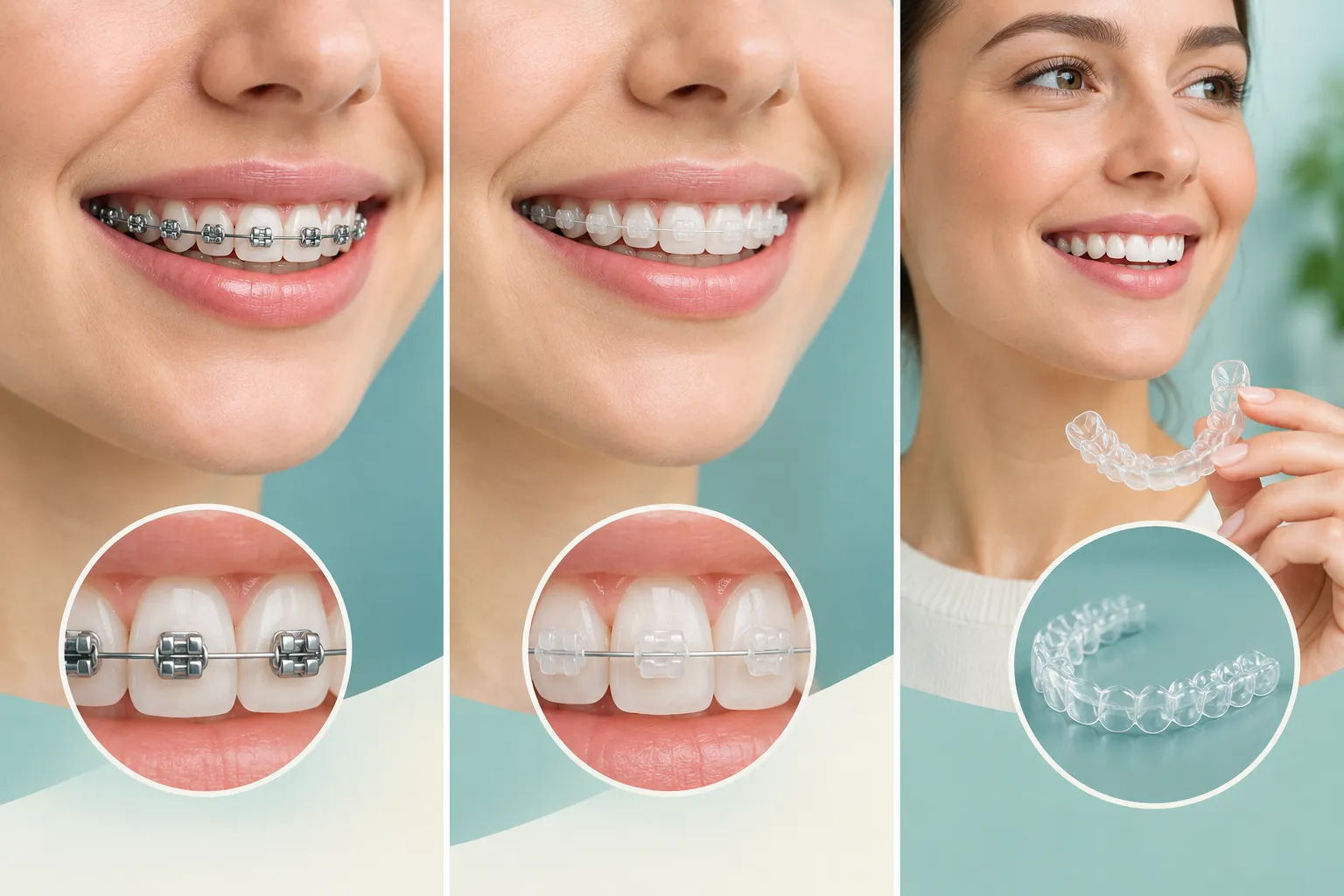
|
Option |
How it works |
May suit |
Main trade-off |
|---|---|---|---|
|
Metal braces |
Fixed brackets and wires guide tooth movement |
People who want a fixed appliance or need complex movement |
Visible hardware and more involved cleaning |
|
Clear or ceramic braces |
Tooth-colored brackets move teeth using wires |
People who prefer less noticeable fixed treatment |
Still require careful cleaning and care around brackets |
|
Orthodontist-supervised clear aligners |
A series of removable trays moves teeth according to a planned sequence |
People whose bite and tooth movements can be treated with aligners and who can follow the wear schedule |
Results rely on consistent wear |
Braces, including clear and custom braces
Metal braces offer the control that some treatment plans need. Since they stay on your teeth, you do not have to remember to put them back in. Cleaning around brackets and wires takes more care, and some foods can damage them. Ceramic brackets are less noticeable but need the same attention.
Eisenberger and Meister Orthodontics also offers LightForce custom 3D-printed ceramic braces alongside conventional and clear braces. Custom brackets give the orthodontist another way to tailor a plan. Your specific case determines how long treatment takes and how many visits you need.
Clear aligners and Invisalign
Clear aligners move teeth through a sequence of trays. They are nearly invisible when worn and come out for meals and cleaning. You need to follow the wear instructions and attend follow-up appointments; otherwise, the plan may not progress as expected. Aligners work for many spacing and crowding concerns, although a complex bite may call for another approach. Some plans use tooth-colored attachments to guide particular movements.
Invisalign is one aligner system. Your provider should assess the bite along with the front teeth before recommending it. Eisenberger and Meister Orthodontics offers Invisalign for eligible patients, with Dental Monitoring available for added convenience during care.
Retainers and cosmetic changes are different
Retainers generally hold teeth in place after treatment. If your teeth have shifted since wearing braces, your orthodontist can assess whether you need a retainer, limited retreatment, or a more complete course. An old retainer that no longer fits comfortably should not be forced onto your teeth.
Bonding and veneers change how a tooth looks without moving it. They cannot correct a crowded bite or create room where teeth need to move. If appearance is your main concern, ask about changing tooth shape as well as orthodontic treatment.
Why at-home shortcuts can backfire
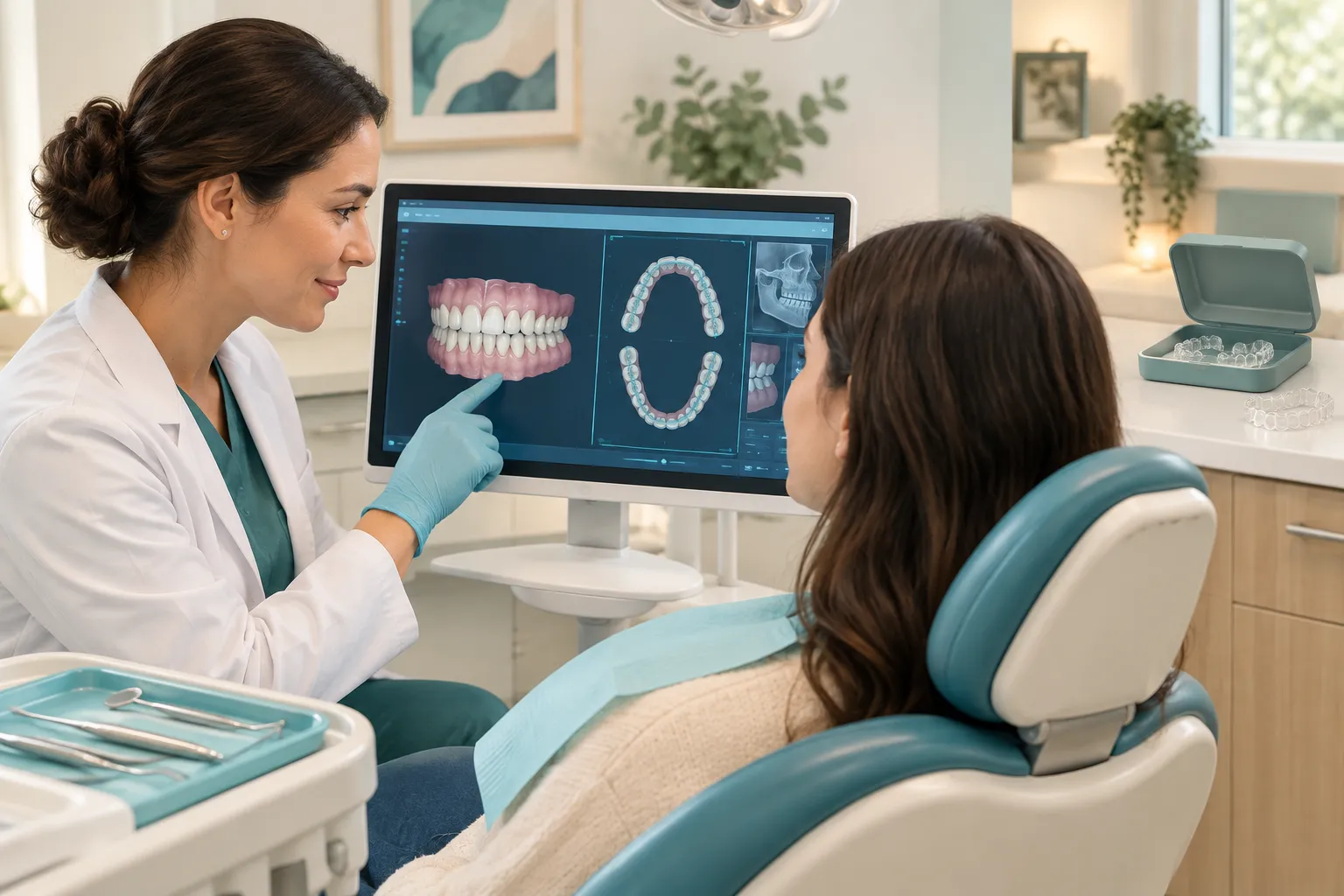
Do not try to move teeth with rubber bands, string, improvised appliances, or an old tray that no longer fits. These methods put force on teeth and their supporting tissues. A selfie cannot show how roots, gums, and your bite are responding.
“Undergoing orthodontic treatment without first being examined in-person by an orthodontist or dentist can lead to irreversible harm.” – American Association of Orthodontists
An offer that skips an in-person clinical exam leaves important questions unanswered. A digital preview can show a proposed smile; it cannot diagnose the health of your gums or the way your bite functions. Find out who will manage your treatment and what help you will get if your teeth do not move as planned.
Home exercises, tongue position, and repeated pushing do not reliably straighten established crooked adult teeth. Keep brushing and flossing while you consider treatment. They protect your teeth, even though they cannot change their alignment.
What about nighttime-only aligners?
Nighttime-only trays may appeal if wearing aligners during the day sounds inconvenient. Fewer hours of wear can change which movements are possible and how long they take. An orthodontist can tell you whether a nighttime schedule fits your teeth and bite after an exam.
How long does it take to straighten teeth?
Expect months of treatment, not days. General estimates run from roughly six months to two years, with some complex cases taking longer. A gap may close while your orthodontist is still working on the bite.
Treatment time depends on the movement and bite correction you need, your oral health, and whether you follow wear and appointment instructions. Aligners may not be faster than braces in your case. Ask for an estimate that accounts for possible refinements or a broken appliance.
Understanding the cost of teeth straightening
You will need an individual estimate to know the cost. The fee depends on the treatment and its length, the appliance, your insurance benefits, and what the practice includes. An advertised starting price may leave out follow-up visits, refinements, or retainers.
|
Ask for in a written estimate |
Why it matters |
|---|---|
|
Total treatment fee and what it covers |
Lets you compare complete plans instead of monthly payments alone |
|
Insurance estimate and payment schedule |
Shows what you may owe and when |
|
Policy for repairs, additional aligners, and retainers |
Helps you understand possible later costs |
|
Treatment goals and expected duration |
Puts the price in context |
Eisenberger and Meister Orthodontics offers complimentary consultations and financing options, including 0% APR options and no hard credit checks. Ask for a written estimate and an explanation of your insurance coverage at the visit. Either braces or Invisalign could be the more affordable option for your plan.
Keeping teeth straight afterward
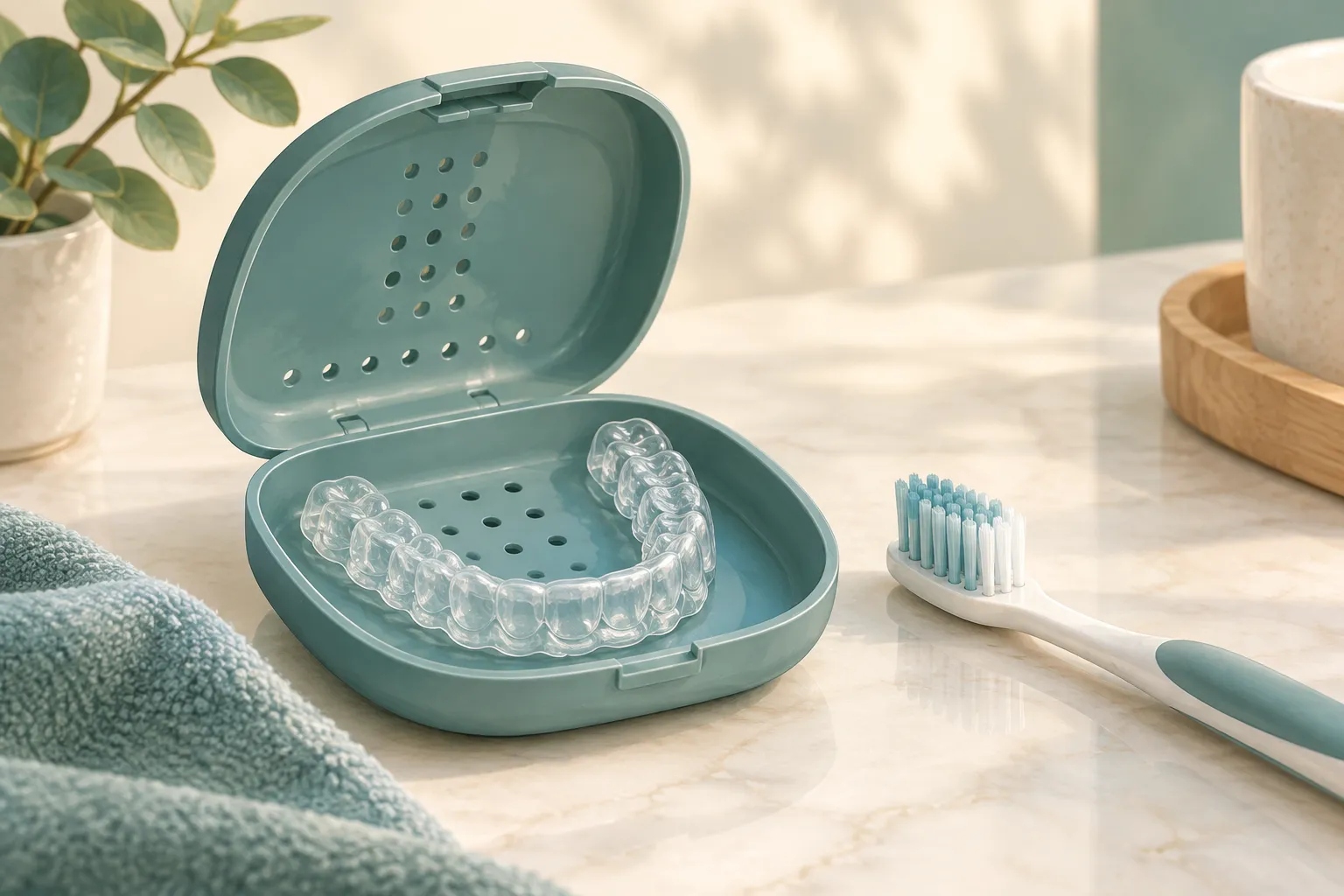
Teeth can shift after active treatment. Your orthodontist will explain which retainer to use and when to wear it. Keep up with dental cleanings, and contact the office if your retainer breaks, feels loose, or stops fitting. Wearing it as instructed helps you keep the result you worked for.
Your next step in Passaic
At 217 Brook Ave in Passaic, Eisenberger and Meister Orthodontics welcomes children, teens, and adults from Passaic, Clifton, and nearby New Jersey communities. Families seeking orthodontic care also visit from Paterson, Garfield, Wallington, Lodi, Elmwood Park, Nutley, Belleville, Bloomfield, Montclair, Glen Ridge, Cedar Grove, Verona, Woodland Park, Little Falls, Totowa, Wayne, Haledon, North Haledon, Prospect Park, and Hawthorne. The practice also serves patients from Rutherford, East Rutherford, Wood-Ridge, Carlstadt, Hasbrouck Heights, Lyndhurst, North Arlington, Kearny, Secaucus, Hackensack, Maywood, Rochelle Park, Saddle Brook, and Fair Lawn. Whether you are considering braces or Invisalign for yourself or your child, your exam determines which treatment fits.
If you are weighing cost, appearance, or scheduling for yourself or your child, start with a complimentary consultation. Eisenberger and Meister Orthodontics can assess your bite, explain suitable options and financing, and plan for retainers after treatment. Book a visit to find out what it would take to straighten your teeth safely.
FAQ
What is the quickest way to get straight teeth?
The quickest safe option depends on how much movement and bite correction you need. A small cosmetic change may take less time than a complex bite correction, but aligners are not inherently faster than braces. An orthodontist can estimate the full treatment time after an exam.
How much does it cost to get your teeth straight?
The total depends on your treatment plan, appliance, insurance, and what is included in the fee. Request a written estimate covering visits, refinements, repairs, and retainers. Eisenberger and Meister Orthodontics offers complimentary consultations and financing options.
Can I make my teeth straight naturally?
Home exercises and manual pressure do not reliably straighten established crooked teeth. To move teeth safely, get an assessment and a professionally planned treatment such as braces or supervised aligners. Avoid rubber bands and improvised devices.
Is it worth it to get your teeth straightened?
It may be worthwhile if alignment affects your confidence, makes cleaning difficult, or is part of a bite problem. An orthodontist can explain what treatment can change in your case, its costs and limitations, so you can decide without pressure.
What is the best age to straighten your teeth?
Children, teens, and adults can all benefit from orthodontic evaluation. Some developing bite problems are easier to assess during childhood, while adults can also move teeth when their teeth and supporting tissues are healthy. The right time depends on the individual, not a universal age.