
Winter sports bring snow-filled excitement, exercise, and the thrill of competition. Whether your child plays ice hockey or enjoys skiing, these activities offer valuable opportunities for physical activity and skill development. However, winter sports also come with inherent risks to oral health. For athletes wearing braces, protecting teeth and orthodontic appliances becomes even more critical during these high-energy activities.
Understanding how to safeguard your smile during winter sports can prevent painful injuries and protect your orthodontic investment. At Eisenberger and Meister Orthodontics, we help families in the Passaic area navigate the balance between staying active and maintaining oral health throughout orthodontic treatment. Here is what you need to know about mouthguards, braces, and winter sports safety.
Why Mouthguards Matter for Winter Athletes
According to the American Dental Association, athletes are 60 times more likely to sustain dental damage when not wearing a properly fitted mouthguard. Sports-related dental injuries account for a significant percentage of all oral trauma, with many occurring during activities not traditionally considered high-contact sports. Winter activities carry specific risks that make mouth protection essential.
Ice hockey involves fast-paced movements, flying pucks, and close contact with other players and equipment. Even with helmets, players remain vulnerable to impacts affecting the teeth, lips, tongue, and jaw. Basketball players face similar risks from accidental elbows and falls during quick movements and rebounds. Skiing and snowboarding present dangers from high-speed collisions or falls on hard-packed snow. Wrestling requires close physical contact that can easily result in facial impacts. Even recreational winter activities like sledding can occasionally lead to accidents affecting oral health.
The American Dental Association recognizes the preventive value of mouthguards and endorses their use for anyone engaging in sports and recreational activities with injury risk. Research shows that mouthguard users are up to 93 percent less likely to suffer dentofacial injuries compared to athletes who do not wear protection. Beyond protecting teeth, studies suggest mouthguards may also reduce concussion risk, with youth hockey players wearing mouthguards showing nearly two-thirds lower concussion risk than those without protection.
Special Considerations for Athletes with Braces
Athletes wearing braces face unique challenges and increased injury risks during sports participation. A direct impact to the mouth can cause brackets to break, wires to bend, or soft tissue lacerations from contact with orthodontic appliances. Without proper protection, the metal components of braces can cut the inside of the cheeks, lips, and tongue during falls or collisions.
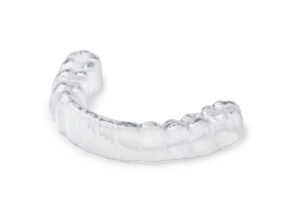
Standard mouthguards often do not accommodate braces properly, which has led to the development of specially designed orthodontic mouthguards. These devices feature extra room to cover brackets and wires while still providing cushioning against impacts. Many orthodontic mouthguards are made from medical-grade silicone or flexible materials that adapt as teeth shift position during treatment.
The National Federation of State High School Associations requires wrestlers wearing braces to use mouthguards, recognizing the particular risks this combination presents. This same principle applies to other winter sports where athletes with braces participate. Protecting both the orthodontic appliances and the soft tissues of the mouth becomes a priority for maintaining treatment progress and preventing painful injuries.
Choosing the Right Mouthguard
Three main types of mouthguards are available, each offering different levels of protection and fit. Stock mouthguards come pre-formed and ready to wear. While inexpensive, these rarely fit properly and may feel uncomfortable or provide minimal protection. Their generic shape makes them particularly unsuitable for athletes with braces.
Boil-and-bite mouthguards offer a middle ground between cost and customization. Made from thermoplastic material, these mouthguards are softened in hot water and then molded to fit the teeth by biting down. Many boil-and-bite options designed for braces can be remolded multiple times as teeth move during orthodontic treatment. This adaptability makes them a practical choice for athletes undergoing active orthodontic care.
Custom-fitted mouthguards created by orthodontists provide the highest level of protection, comfort, and fit. The orthodontist takes an impression of the teeth and creates a mouthguard specifically designed for the individual mouth structure. While more expensive than over-the-counter options, custom mouthguards offer superior protection and retention. However, because orthodontic treatment involves continuous tooth movement, the fit may change over time, requiring adjustments or replacement.
Proper Mouthguard Care and Maintenance
Maintaining your mouthguard properly extends its lifespan and ensures it continues providing effective protection. Rinse the mouthguard with water after each use and clean it weekly with a toothbrush and mild soap. Avoid using hot water during cleaning, as excessive heat can warp the material and affect the fit.
Store mouthguards in a ventilated container rather than sealed plastic bags. Proper airflow prevents bacterial growth and keeps the mouthguard fresh. Inspect the mouthguard regularly for signs of wear, tears, or looseness. Replace damaged mouthguards immediately, as compromised materials cannot provide adequate protection. For athletes with braces, bring the mouthguard to orthodontic appointments so we can check the fit and ensure it still accommodates the current position of brackets and wires.
Making Sports Safety a Priority
Creating a culture of safety around sports participation starts with education and consistent practice. Talk with your child about why protecting their teeth and orthodontic appliances matters. Emphasize that wearing a mouthguard is not optional but an essential part of their sports equipment, just like helmets or pads.
Work with coaches and league organizers to promote mouthguard use among all team members. While some sports mandate mouthguards, many do not, leaving the decision to individual families. Setting an example and encouraging teammates to prioritize oral protection creates safer environments for everyone. Remember that mouthguards should be worn during practices as well as competitions, since many injuries occur during routine training sessions.
Expert Orthodontic Care at Eisenberger and Meister Orthodontics
At Eisenberger and Meister Orthodontics, Dr. Matthew Meister understands the unique needs of active patients who want to maintain healthy smiles while pursuing their athletic interests. With advanced training from NYU College of Dentistry and years of experience in orthodontics, Dr. Meister provides personalized guidance on protecting braces during sports participation. Our practice serves families throughout the Passaic area with comprehensive orthodontic care that accommodates busy, active lifestyles.
We welcome athletes of all ages and help families navigate the balance between orthodontic treatment and sports participation. Whether your child needs advice on selecting the right mouthguard or requires emergency care for a sports-related orthodontic issue, our team is here to help. Winter sports should be enjoyable and safe experiences that build confidence and skills without compromising oral health. Ready to protect your smile this winter sports season? Contact us today to discuss mouthguard options and ensure your orthodontic treatment stays on track while you stay active.