
If your child had early orthodontic treatment, phase 2 aligns the permanent teeth and finishes the bite. It usually starts once most or all permanent teeth have come in. Before recommending more treatment, the orthodontist reassesses your child’s teeth and bite.
You should leave that appointment knowing what still needs correction, when treatment should start, how long it may take and what it will cost.
What phase 2 orthodontic treatment is meant to finish
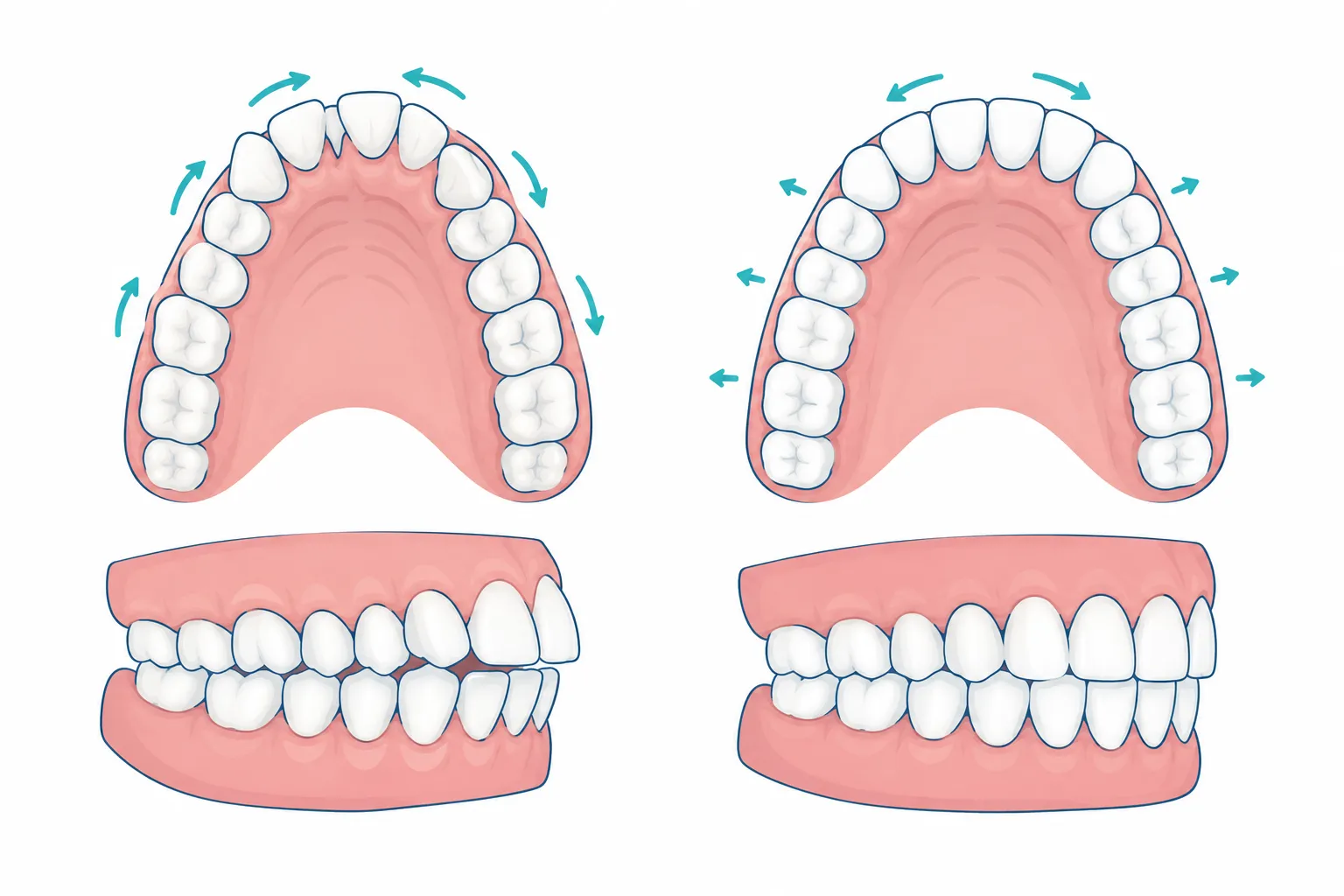
Early treatment can make room for developing teeth or address a growth-related concern while a child still has baby teeth. Phase 2 orthodontic treatment takes place after that early work and the intervening growth. The orthodontist may straighten crowded or spaced permanent teeth and improve how the upper and lower teeth fit together, then plan retention to help keep them in position.
The early phase cannot fix the final positions of teeth that have yet to erupt. As your child grows, the bite may change too. A child who wore an expander or limited braces may still benefit from full braces or aligners later.
|
Question |
What to expect in phase 2 |
|---|---|
|
What is being corrected? |
The remaining alignment and bite issues visible once permanent teeth erupt. |
|
Which appliance is used? |
Often full braces; clear aligners may be appropriate for some patients. |
|
Is it required after phase 1? |
No. The decision depends on the bite and tooth positions at reassessment. |
|
What happens after active treatment? |
Retainers help hold the corrected tooth positions. |
When does phase 2 start, and how long does it last?
Phase 2 typically begins when most or all permanent teeth have erupted, often in the early teen years. An orthodontist considers which teeth have come in and how the bite fits together before recommending a start date.
“Phase Two usually starts when most or all permanent teeth are in.” – American Association of Orthodontists
The American Association of Orthodontists gives 12 to 24 months as a general range for braces; it does not give that range specifically for phase 2. Your child’s treatment could differ based on the bite and alignment work left to do, the appliance, how the teeth respond and how consistently your child follows instructions for elastics, aligners or visits. The orthodontist can give you a more useful estimate after an exam.
Between phases, the orthodontist may watch the bite as permanent teeth erupt and the jaws continue to develop. Keep follow-up appointments even if your child’s smile looks straight. The orthodontist also needs to assess the bite and teeth still coming in.
Does every child need phase 2 after early treatment?
No. Phase 1 addresses a specific early problem. Afterward, some children still have enough crowding or bite discrepancy to need a second stage. Others may only need observation and, when indicated, a retainer. An orthodontist at Ohio State University notes that not every child needs two phases. A good result from phase 1 alone cannot settle that decision.
At the reassessment, ask the orthodontist to show you the remaining issue and explain what would happen if you waited or chose not to treat it. You should hear which appliance the orthodontist recommends, how long treatment may take and what result to expect. If the exam shows no meaningful problem left to correct, your child may not need a second course.
What happens during phase 2 of braces or aligners?
Your orthodontist starts with an updated assessment of the teeth and bite. The appliance recommendation depends on the corrections your child still needs, which may differ from the work done in phase 1.
Full braces can move individual teeth and coordinate the arches. Depending on the case, clear braces or aligners may also be options. Aligners must be worn as directed, and some bite corrections may call for elastics or other support. Ask which option fits your child’s bite and daily routine, not just which looks least noticeable.
During treatment, expect adjustment or progress appointments and home-care instructions. Your child will need to clean around brackets and wires if wearing braces, or wear and clean aligners as directed. At the end, the orthodontist checks the bite and gives your child a retainer plan. Retainers help keep teeth from shifting after treatment.
How much do phase 2 braces cost?
Phase 2 braces cost depends on the correction your child needs, the appliance and the expected treatment length. There is no flat price that applies to every child. Even after phase 1, your child may need a separate plan and fee for phase 2. The first fee may not cover it or lower the price.
Ask for a written estimate that includes records, appliance placement, visits, retainers and repairs. Find out how much insurance may pay and whether phase 1 used any orthodontic benefit. Then ask if earlier payments count toward phase 2 and what financing would mean for both monthly payments and the total cost.
Eisenberger and Meister Orthodontics offers complimentary consultations to discuss your child’s treatment plan and cost. Financing support includes 0% APR options and no hard credit checks. The recommended treatment and payment arrangement determine what your family would pay.
Planning phase 2 care near Passaic
Families considering phase 2 orthodontic treatment at our Passaic office may come from nearby communities across several counties:
-
Passaic County: Passaic, Clifton, Paterson, Little Falls, Woodland Park, Totowa and Wayne.
-
Bergen County: Garfield, Wallington, Lodi, Rutherford, East Rutherford, Carlstadt, Wood-Ridge and Hasbrouck Heights.
-
Essex County: Nutley, Bloomfield, Montclair and Belleville.
-
Hudson County: Secaucus and Kearny.
If you are planning repeat visits from one of these towns, ask which appointment schedule fits your family. Eisenberger and Meister Orthodontics offers braces, clear braces, custom LightForce braces and Invisalign, with Dental Monitoring where appropriate. Your child’s bite, teeth and ability to follow the plan will guide the choice.
Bring any phase 1 records or retainer information to the consultation. Ask what the early treatment accomplished and what still needs attention. You can also discuss the retainer plan for after phase 2 before choosing treatment.
If your child’s permanent teeth or bite still need correction, phase 2 orthodontics may be worthwhile. Completing phase 1 alone does not make a second stage necessary. Schedule a complimentary consultation with Eisenberger and Meister Orthodontics to discuss what your child needs, when to start and what treatment would cost.
FAQ
Does phase 1 payment cover phase 2 braces?
Not necessarily. Phase 2 may have a separate fee, and the first fee may not reduce it. Ask for a written estimate that spells out retainers, visits, insurance and financing, and whether phase 1 fees cover any part of the second stage.
What are the different phases of braces treatment?
In two-phase treatment, phase 1 addresses a selected problem while a child is still growing, followed by a period of observation. Phase 2, if needed, aligns the permanent teeth and finishes the bite, then retainers help preserve the result.